
Journal
Vietnam on a Student Budget: Where to Save and What Is Worth Paying For
 Written by Harshit Malik4 min read
Make a student Vietnam budget stretch further with local price references, sensible accommodation choices, low-cost experiences and spending priorities.
At a glance
- Written by
- Harshit Malik
- Published
- Reading time
- 4 min
- Trip
- View trips
An affordable trip should still leave you able to enjoy it. Put your money into the experiences, sleep and practical essentials that make the week work.
The best student travel budget has room for a little spontaneity. You want to be able to join someone for dinner, pay for an experience you care about and get back to your accommodation without turning every decision into a calculation. Saving enough to book the flight is the first step. Saving enough to enjoy the days afterwards is what makes the trip work.
Vietnam can offer plenty of choices at different price levels. Your task is to build a version that suits your money, your comfort and the way you want to meet people. A short, well-planned trip can be more satisfying than a longer one spent worrying about the balance left in your account.
Start with a local price reference, then get real quotes
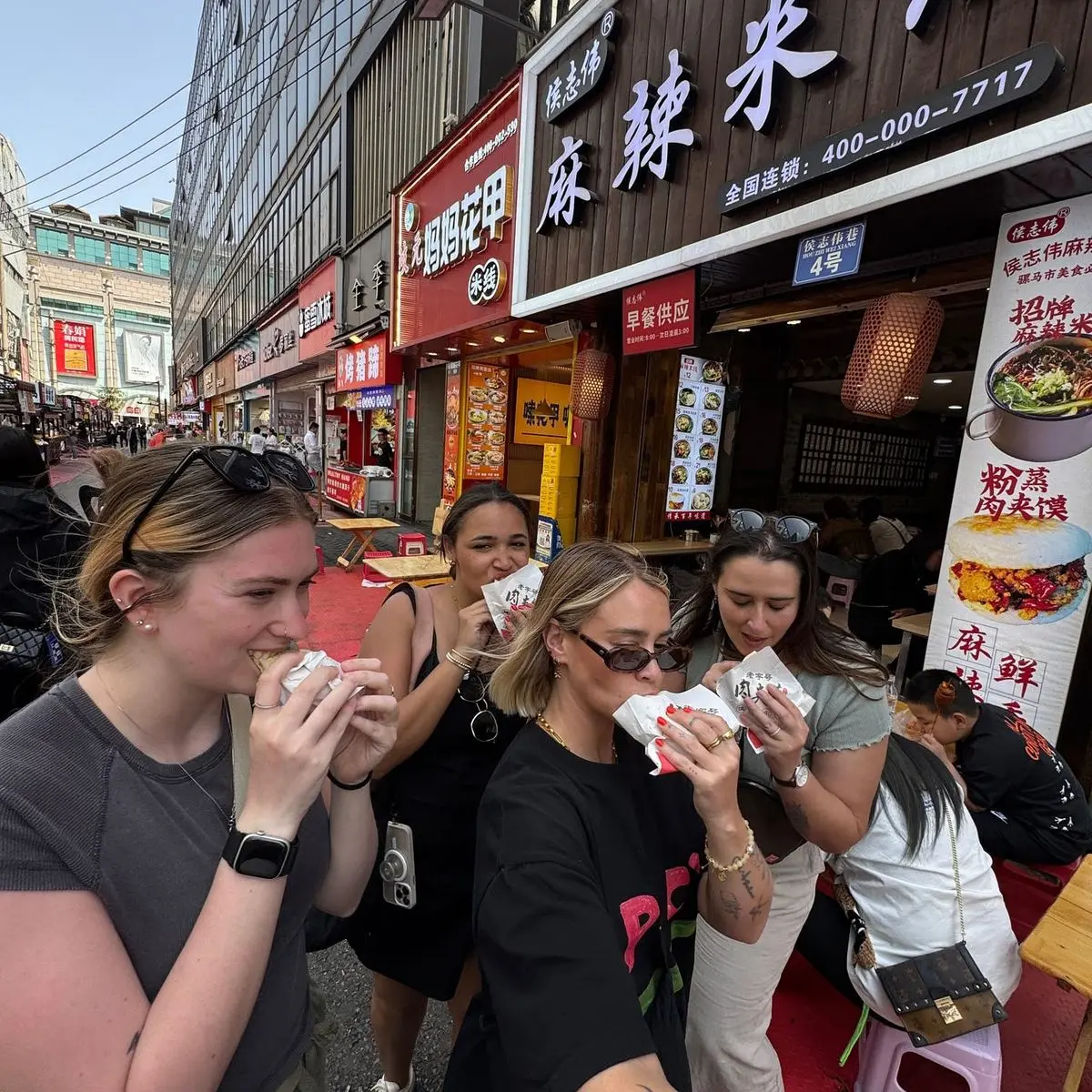
Vietnam Tourism’s currency guide lists indicative prices of VND300,000 for a budget-hostel night, VND45,000 for a street-food meal with iced tea and VND25,000 for a sidewalk coffee. The page does not provide a visible recent price-survey date. Treat these figures as a starting reference and check present-day prices for your route and travel period. [1]
At that accommodation reference, seven nights would total VND2.1 million. Three meals at the quoted meal reference would total VND135,000 a day. Those calculations cover only those items. They leave out additional drinks, transport, attractions, flights, insurance and anything else that makes the week your own.
Write the complete budget before choosing the number of days. Keep unavoidable preparation costs separate from daily spending, then reserve a small amount you will not assign to activities. The remaining daily allowance should feel workable, including the days when you want something different from your cheapest option.
Save on unnecessary movement
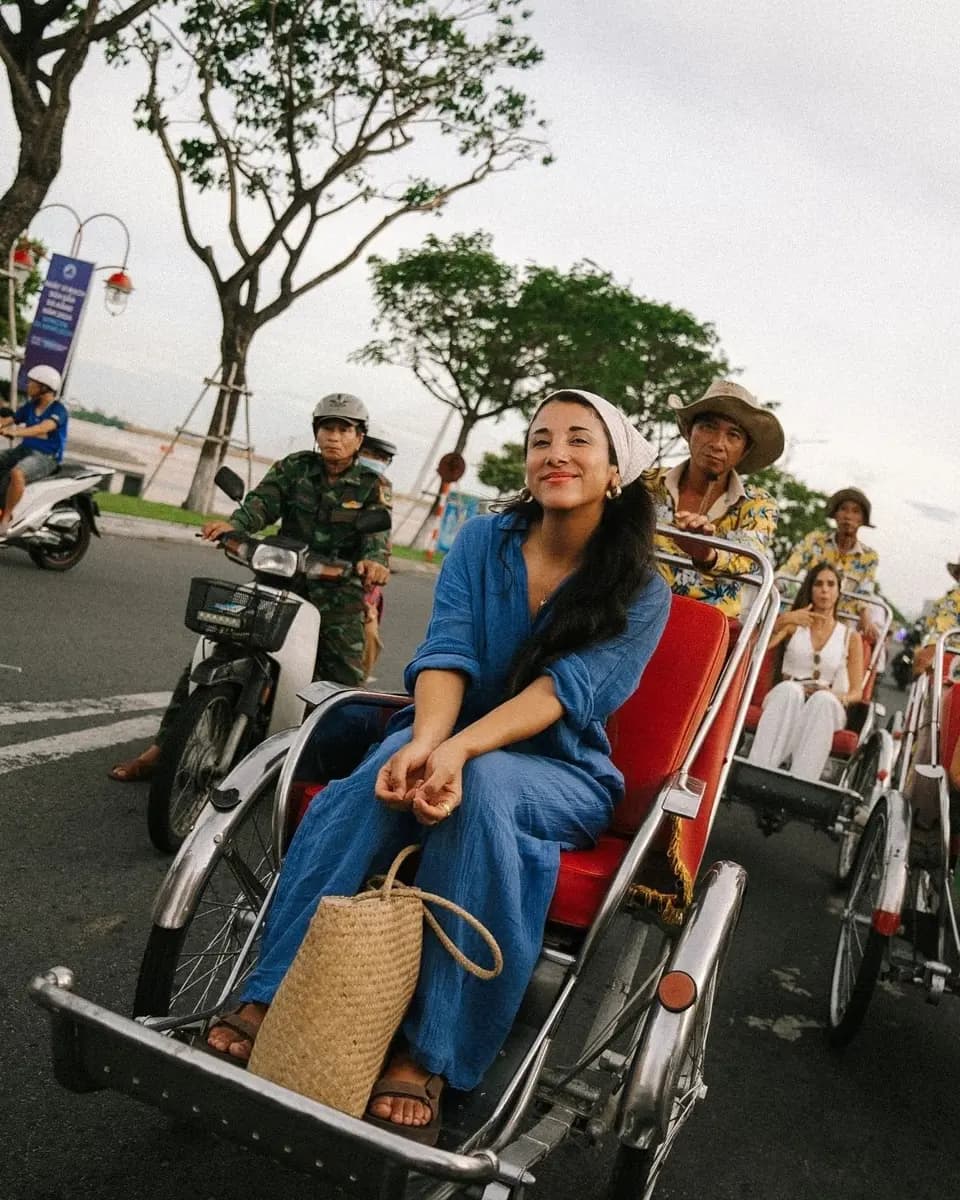
Every additional stop creates another journey to organise and pay for. It also creates a transition day that may involve storage, a taxi or an early meal before departure. Choose a compact route first. If an extra place is important enough, add its full transport cost and the time required before saying yes.
Vietnam Tourism identifies trains, buses and domestic flights as travel options, with official railway booking channels available for checking train tickets. [2] Compare the exact journey you need. A low fare is useful only if the arrival time, luggage rules and booking conditions also fit your plan.
For an overnight journey, ask yourself how you normally sleep while travelling. Count any saved accommodation against the possibility that you will want a quiet day or an early check-in afterwards. An inexpensive night of transport can be a good choice; it should be a choice you make knowingly.
Pay for the room features that matter to you
Look beyond the room photograph. Read recent comments about sleep, cleanliness, lockers, location and staff availability at your arrival time. Check whether the rate is for a bed or an entire room and whether any deposit or tax is added later. If you want a social place, look for shared spaces and activities that appeal to you.
You might prefer a dorm for most nights and a private room after a demanding journey. You might prefer a quieter guesthouse and meet people through day activities. Both can be reasonable. The cheapest advertised bed does not settle the question of where you will feel comfortable leaving your bag and returning at night.
When booking with a friend, agree on the maximum nightly price before either of you reserves anything. Discuss what happens if someone withdraws. A clear conversation protects both the budget and the friendship more effectively than assuming you mean the same thing by affordable.
Find experiences that offer more than a low price
Hanoikids offers volunteer-guided tours around Hanoi without a guiding charge. Guests cover agreed expenses such as admissions, food, drinks and transport for themselves and the participating members. [3] Read the current booking terms and request a place in advance; availability and the final activity plan still need confirmation.
That is one example of how to research affordable activities carefully. Ask who runs the experience, what you will do and which costs are outside the advertised price. A free label may refer to one part of an outing. Understanding the arrangement helps you budget fairly and treat the people hosting you with respect.
Choose one paid experience you would be disappointed to miss and fund it early. Then build simpler days around it: exploring a neighbourhood, browsing a market where appropriate, meeting someone for coffee, or visiting a cultural site you have checked in advance. Carry student identification, but ask whether a particular discount accepts your institution and overseas card before assuming it applies.
Keep small extras from quietly becoming a second budget
A sensible allowance for coffee, laundry, mobile data and occasional taxis is easier to follow than promising yourself you will never spend on them. Decide which recurring extras you genuinely enjoy. A café stop that gives you an hour to relax may matter more to you than another souvenir.
Check baggage before committing to a flight. Jetstar’s baggage page, for example, distinguishes allowances by operating carrier and travel date and warns of airport charges for excess baggage. [4] Apply the relevant current rules to each booked leg; a domestic connection can have different conditions from your international ticket.
Keep enough money for getting home and the commitments waiting there. Then give yourself permission to use the holiday allowance you planned. A good student trip does not need to win a competition for the lowest daily spend. It needs to give you experiences you value at a total you can afford.
Sources
- [1] Viet Nam National Authority of Tourism. Currency and payments in Vietnam. Accessed 6 October 2026.
- [2] Viet Nam National Authority of Tourism. Transport within Vietnam. Accessed 6 October 2026.
- [3] Hanoikids. Frequently Asked Questions. Accessed 6 October 2026.
- [4] Jetstar. Baggage: Buy early, save time later. Accessed 6 October 2026.